 Termite Registry
Subterranean Termites
Reticulitermes spp.
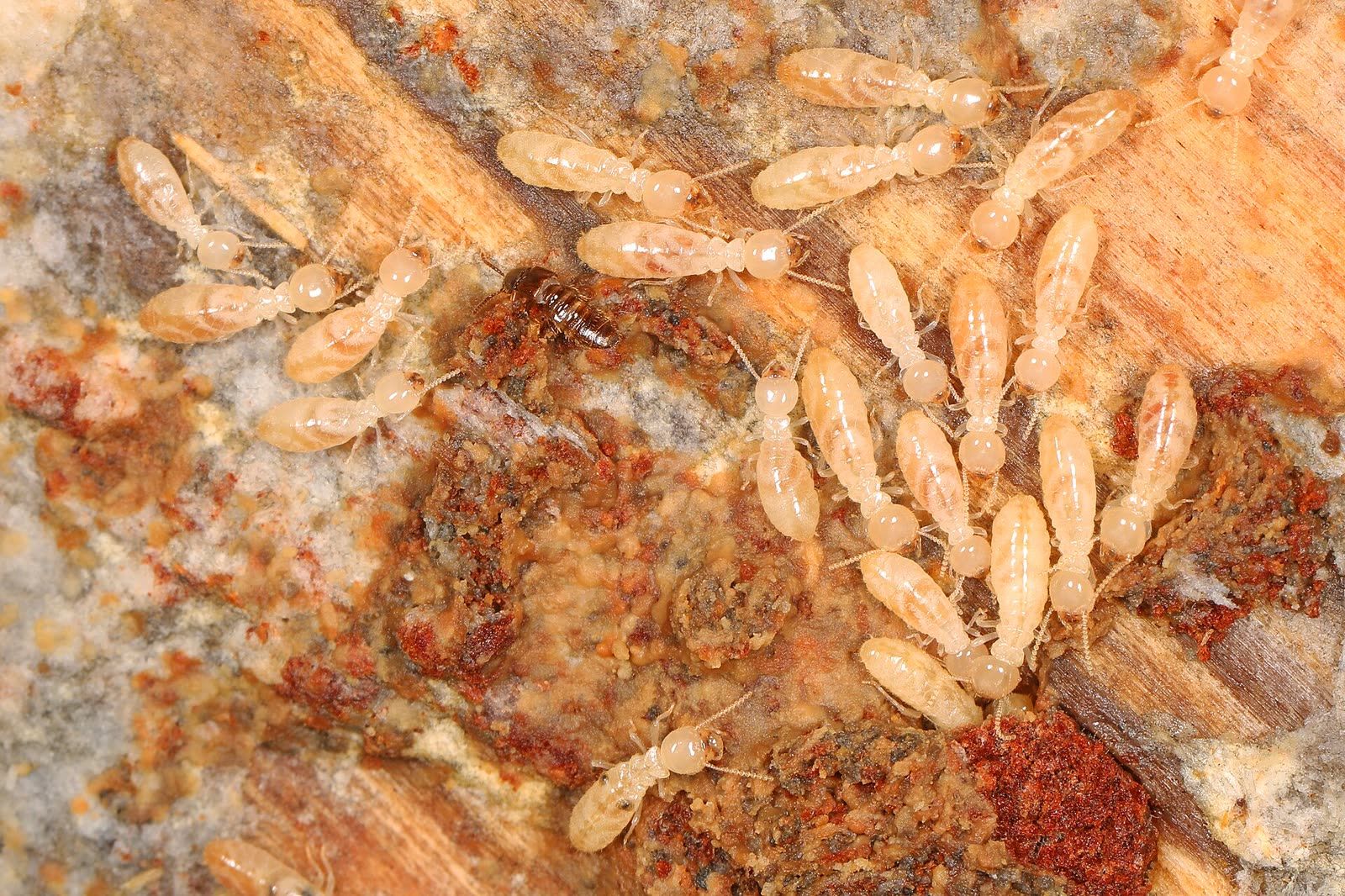

Subterranean termites live in the soil and come up into a house to feed, building the pencil-width mud tubes most people notice first. They are the most widespread termite in the country. According to UF/IFAS extension, the native genus, Reticulitermes, is found in every state in the continental US except Alaska. They also work slowly, which is the part worth holding onto.
If you are here because you found a mud tube, a pile of small wings, or wood that gave when you pressed it, this is the most likely group. Which one it is decides how the house gets treated, so it is worth pinning down before anyone quotes you.
The mud tube is the tell
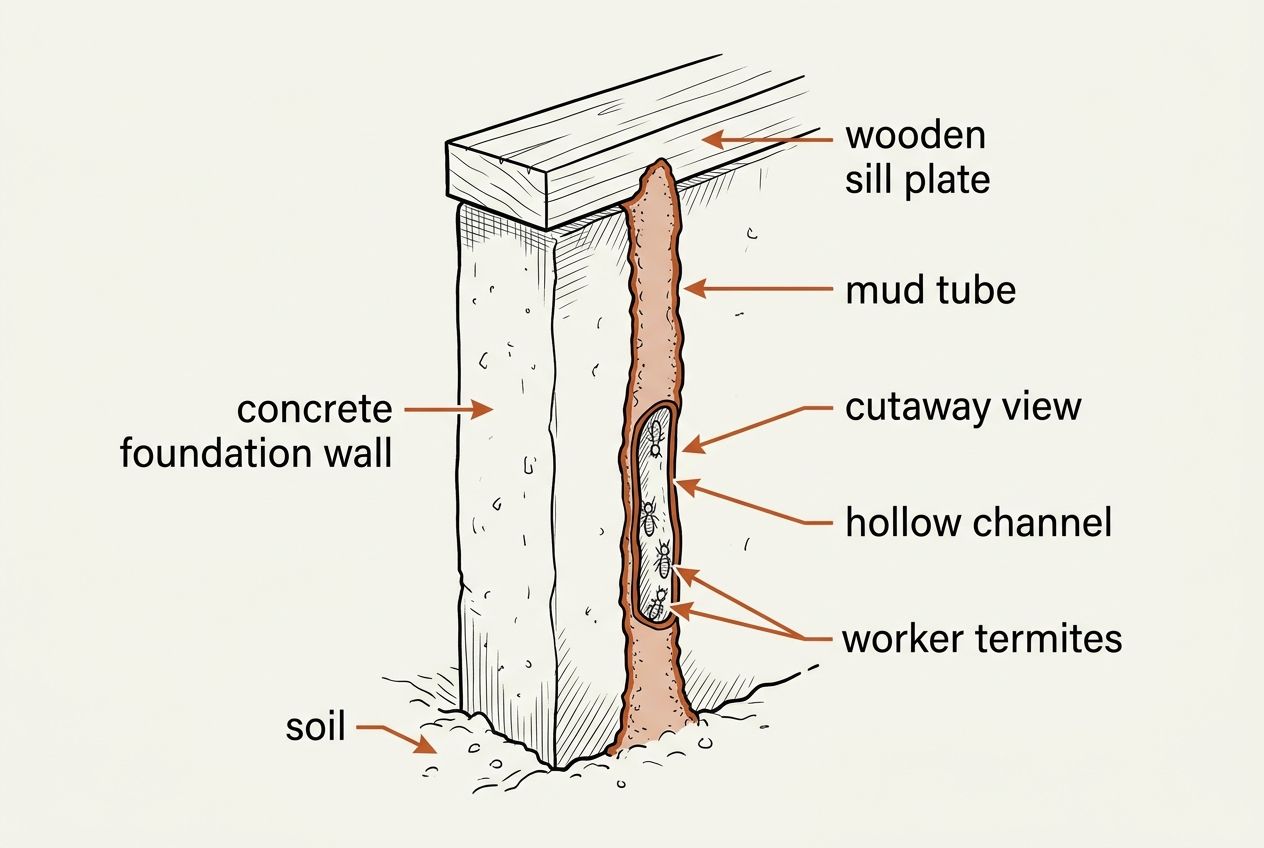
A mud tube is a covered runway, about the width of a pencil, that the workers build to cross open surfaces without drying out. UC IPM describes them as earthen tubes made from saliva mixed with soil and bits of wood. UF/IFAS calls them the highways connecting the colony underground to its food above ground. Look on foundation walls, crawlspace piers, and anywhere wood meets soil.
Finding one does not tell you whether the colony is still using it. The standard field check is simple: break out a short section and come back in a few days. If it has been patched over, something is at work behind it.
Termite swarmer or flying ant?
Every spring, people find winged insects on a sill and have to work out which problem they have. There are three differences, and the University of Kentucky’s extension entomology lays them out cleanly: “Termites have straight antennae, a uniformly thickened waist, and wings of equal size. Conversely, ants have elbowed antennae, constricted waists, and forewings that are longer than the hind wings.”
So: straight antennae, a body with no pinched waist, and four wings the same length point to a termite. A bent antenna, a wasp-like waist, and one longer pair of wings point to an ant.
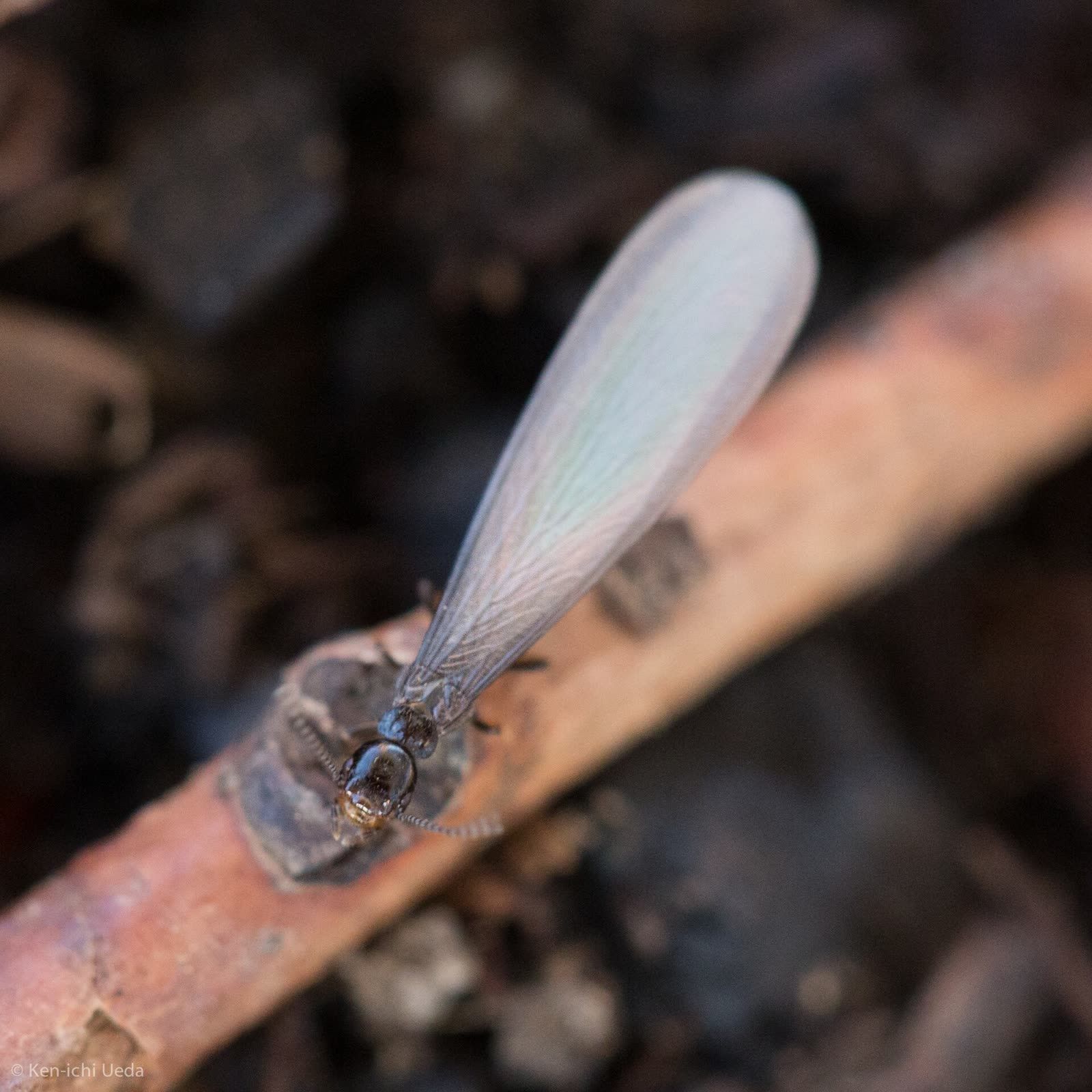

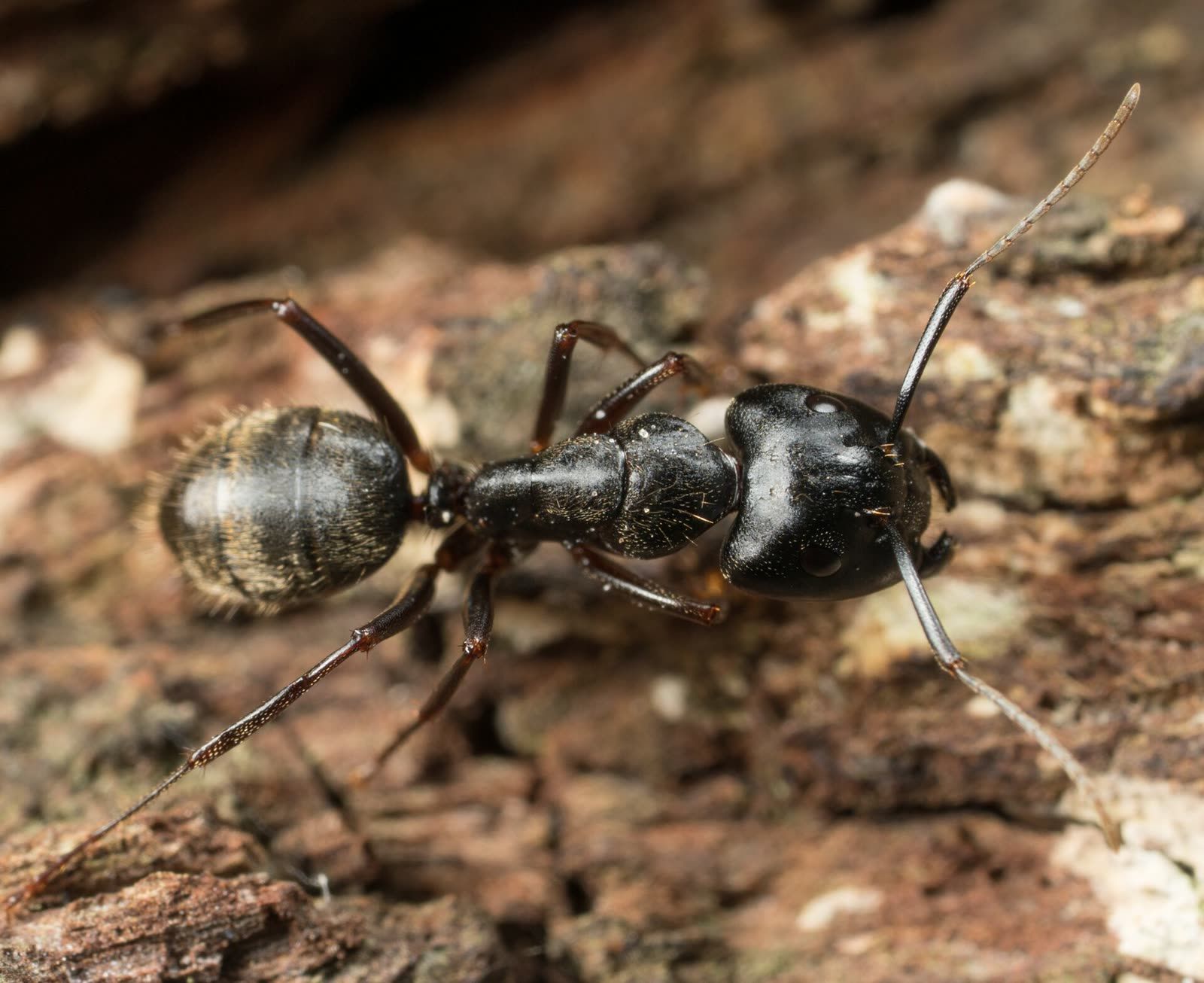

Where you found them matters too. Swarmers coming out indoors almost always mean a colony in the structure. A swarm out of a stump or a woodpile in the yard does not, on its own, mean the house is infested. Either way the winged termites are harmless: they cannot bite, cannot damage wood, and are dead within about a day. They are a signal, not the damage.
What they do to the wood, and why you rarely see it
The colony eats from the inside. Feeding follows the grain, and UC IPM notes that these termites take the softer springwood and leave the harder summerwood behind, which is why a hollowed board can still look sound on the surface. Tap along baseboards, trim and framing. Wood eaten from within sounds different, and a screwdriver sinks into it with surprisingly little resistance.
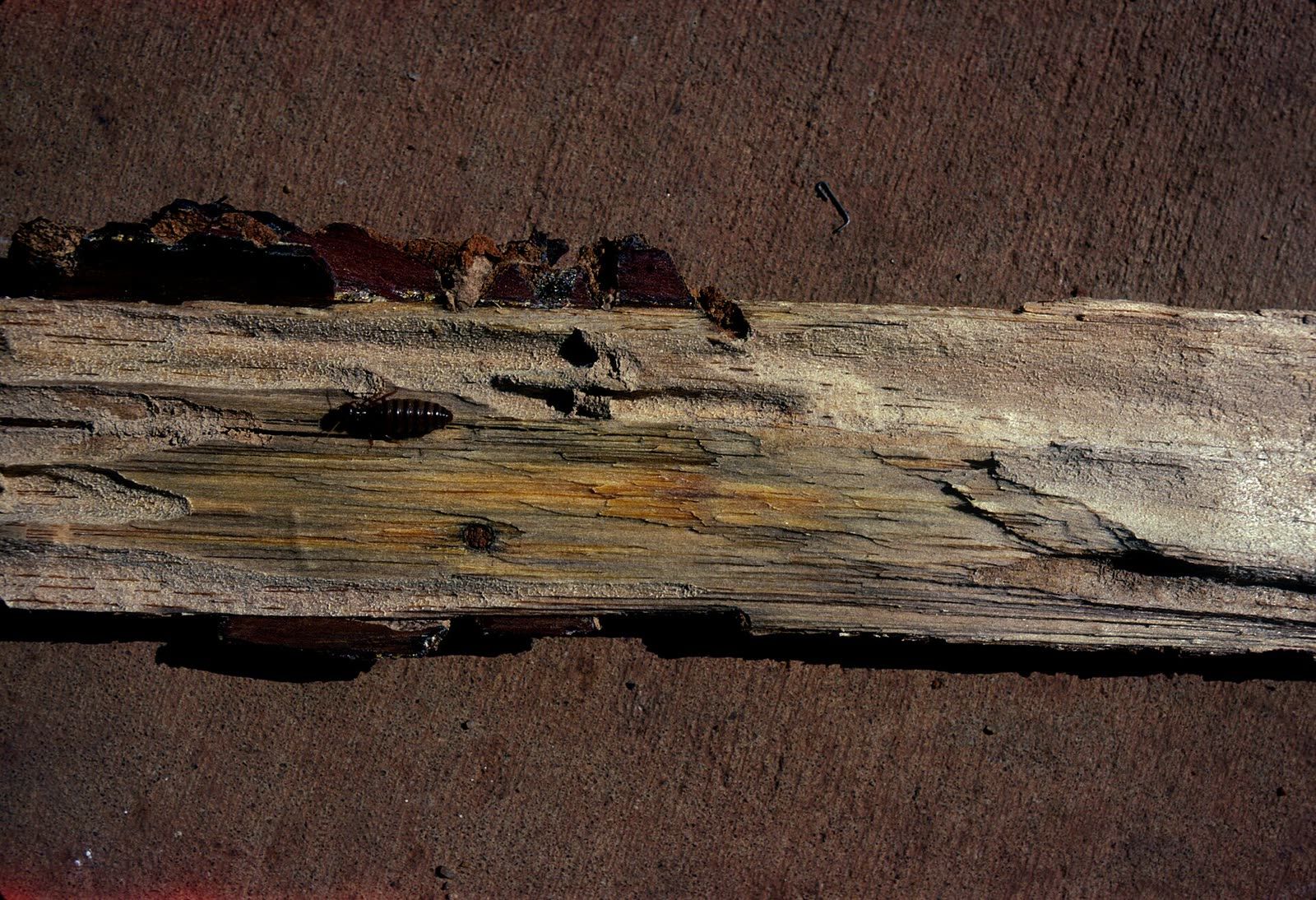

Because the workers stay hidden inside tubes and timber, an active infestation can run for a long time with almost nothing showing. That is the case for a real inspection rather than a glance.
How fast, honestly
Slowly. This is the number the industry has the least incentive to give you plainly, so here it is from Kentucky’s extension service: “Termites damage wood slowly; the amount of damage caused by taking an additional day, week, or month to make an informed decision generally is inconsequential.”
A colony that got into your subfloor this spring has not compromised your framing by the time you read this. That does not mean ignore it. It means you have time to identify the species, get more than one opinion, and read what you are signing before you commit four figures.
How they are treated, and why it comes back to the soil
Because the colony lives in the ground, the treatments target the ground, not the wood. Broadly there are two approaches: a continuous treated zone in the soil around and under the structure, or bait stations that the foragers carry back to share with the colony. The right choice depends on the building and the site, and the two are often combined.
The one thing to know before you compare quotes is that a subterranean job is about breaking the colony’s link to the soil. A treatment that leaves gaps in that link tends to leave you with termites. There is more on the trade-offs in termite treatment.
Keeping them out
Most of what discourages subterranean termites is drainage and carpentry, not chemistry. They need moisture, so the levers are grading water away from the foundation, keeping gutters and downspouts working, ventilating crawlspaces, and breaking any wood-to-soil contact — deck posts, fence rails, siding sitting on dirt, mulch banked against the wall, firewood stacked on the ground next to the house.
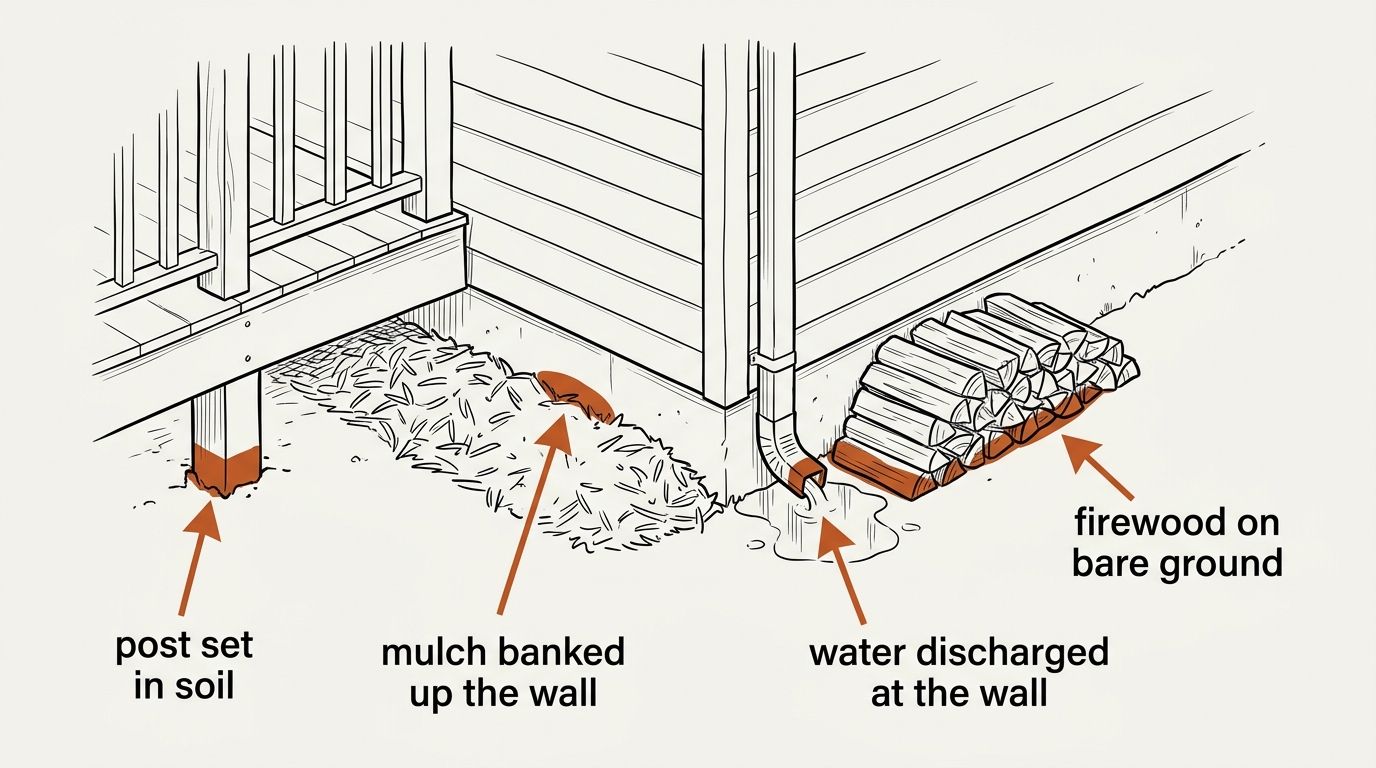
EPA’s own suggestion for checking is one you can do yourself: “Examine, by probing, exposed wood for hollow spots (using a flathead screwdriver or similar tool).”
What people get wrong
The one I see most is treating found damage as fresh damage. Old galleries from an infestation that was dealt with years ago are extremely common, and they are not an emergency. If the wood is dry, clean inside, and empty, you may be looking at history rather than a live problem.
The second is assuming any mud tube means active termites. It can be abandoned. Break it and watch it before you accept a treatment quote written off a single tube.
And the third is deciding the species from a phone photo. I would not, and I would not want a treatment plan built on a guess, because subterranean, drywood and Formosan termites are treated differently and the wrong plan is money set on fire. If it turns out to be drywood, soil treatments miss the point entirely — see drywood termites. If the swarm was a heavy evening flight around the lights somewhere on the Gulf, read Formosan termites before you assume it is the native kind.
Sources
- Subterranean and Other Termites (Pest Notes 7415) — UC Statewide IPM Program, updated May 2014. Accessed 2026-08-02.
- Native Subterranean Termites: Reticulitermes flavipes, R. virginicus, R. hageni (EENY-212) — University of Florida IFAS Extension, Featured Creatures. Accessed 2026-08-02.
- Termite Control: Answers for Homeowners (ENTFACT-604) — Michael F. Potter, University of Kentucky Entomology, revised 2026. Accessed 2026-08-02.
- Termites: How to Identify and Control Them — US Environmental Protection Agency, last updated 2025-10-21. Accessed 2026-08-02.
Signs to look for
- Mud tubes running up foundation walls, piers or crawlspace framing
- Piles of equal-length shed wings on windowsills after a spring swarm
- Wood that sounds hollow when tapped, or gives under a screwdriver
- Dark winged swarmers appearing indoors on a warm spring afternoon
Common questions
Does a mud tube always mean there are live termites right now?
No. A tube can be old and abandoned. The usual field check is to break out a short section, then look again in a few days. If it has been resealed, something is using it. If it stays open, that tube may be dead, though that does not rule out activity elsewhere in the house. An inspection settles it.
I found a few winged insects indoors. Is that an emergency tonight?
No. The swarmers themselves cannot eat wood and live only about a day, so the ones on your windowsill are not doing damage. What they tell you is that a colony is likely in or under the structure, because subterranean termites that emerge inside almost always came from there. Collect a few in a bag and arrange an inspection. You are not deciding anything tonight.