 Termite Registry
Able Exterminators Inc
San Jose, CA
Registered with the board since 1967.
- License:
- 176 (CA)
License record read
- Termite work only
City · CA
Eight of the eleven fumigation-licensed businesses in the nine-county Bay Area are registered in San Jose. That is nearly three quarters of the region's whole-structure capacity in one city, and the most useful thing the public register says about who to call here.
That concentration runs against the biology. Whole-structure fumigation, tenting the house, is the answer to a drywood termite problem, and drywood termites are weighted toward southern California. The board’s register records who holds which license, never why anyone chose to, so I cannot tell you how this one city came to hold three quarters of its region’s tenting capacity. What it changes is how you read a bid here.
The California Structural Pest Control Board publishes its register of licensed businesses. Filtered to San Jose and to the license categories that cover termite work, it holds 41 registrations. Fold each company's branch offices together and that is at least 36 separate businesses — the gap between the two numbers is chain branches, and there are 5 of those.
The board records a speciality on every registration, and it splits three ways. This is the part that does not appear on any map listing, and it is the part worth knowing before you call anyone.
Banner Pest Services holds 2 separate registrations in this area; Orkin Pest Control holds 2, and Planet Orange Termite Services holds 2. Counting a company once rather than once per office is what takes 41 registrations down to 36 businesses. If you call three companies and two turn out to be branches of the same one, this is why.
Two of those numbers are worth stopping on, and both are facts about a public record rather than judgments about any business.
The fumigation share. Eight of San Jose’s 36 licensed firms hold the fumigation category, or 22 percent. Across the nine-county Bay Area it is 11 firms out of 166. In Los Angeles County, where drywood termites are most prevalent, it is 6 percent.
So the part of California with the least biological reason to tent has the highest registered share of it, and one city holds eight of its region’s eleven fumigation licenses. Eight is a small number to reason from, which is why the count sits next to the percentage.
The oldest registration. Able Exterminators has held California license number 176 since March 1967. Every California row carries an Original Issue Date, and here they spread back far enough to be real business history. Florida’s bunch at 1986, when that state’s database opened, so they date the database rather than the company.
The filter: businesses on the register kept by the Structural Pest Control Board, with an address in this area, holding a speciality of termite work only or fumigation, ordered by the year they first registered, oldest first. 20 businesses meet it; the 12 that registered earliest are below.
What this is not: a rating, a recommendation, or a vetting. I have not used these companies, I do not collect reviews, and nobody has paid to appear here — there is no paid placement on this site. Registering a business is not an achievement, and an older registration is not a promise about the work. It is simply the one comparable fact the state publishes.
San Jose, CA
Registered with the board since 1967.
License record read
San Jose, CA
Registered with the board since 1977.
License record read
San Jose, CA
Registered with the board since 1986.
License record read
San Jose, CA
Registered with the board since 1997.
License record read
San Jose, CA
Registered with the board since 2002.
License record read
San Jose, CA
Registered with the board since 2005.
License record read
San Jose, CA
Registered with the board since 2010.
License record read
San Jose, CA
Registered with the board since 2010.
License record read
San Jose, CA
Registered with the board since 2012.
License record read
San Jose, CA
Registered with the board since 2012.
License record read
San Jose, CA
Registered with the board since 2013.
License record read
San Jose, CA
Registered with the board since 2015.
License record read
Names and license numbers are as they appear on the register, which I read on 2026-08-04. Check any of them yourself at search.dca.ca.gov, the public license lookup run by the California Structural Pest Control Board (SPCB), Department of Consumer Affairs — it will show you the current status, which may have changed since I looked.
My directory listing for Santa Clara County is the wider view, and it drops that filter: every pest control company I hold a record for in this county, with the license number attached where the board publishes one and nothing claimed where it does not.
| Termite | Where UC IPM places it | When it swarms | What that means for the house |
|---|---|---|---|
| Western subterranean (Reticulitermes) | Nearly every region of California, from the coastal dunes to the mountains. UC IPM calls the genus the most destructive termite in the state | Afternoons in spring or fall, on a clear day after a soaking rain | It nests in soil and reaches wood through it, so the treatments that work are aimed at the ground, not the timber |
| Pacific dampwood (Zootermopsis) | Central and northern coastal California, in cool humid areas. The one that is genuinely more a Bay Area termite than a Los Angeles one | Summer and fall, after dark. Bigger than drywood swarmers and drawn to lights | UC IPM treats its presence as a sign of a moisture problem or wood decay. Treat the insects without fixing the water and you pay twice |
| Western drywood (Incisitermes minor) | The Pacific coast, the Central Valley and the southern deserts. California’s second most important termite pest, and most prevalent well to the south | Daylight hours in summer and fall | It lives inside the wood with no soil connection to break, which is why soil treatment misses it |
Those ranges are statewide and regional facts from UC IPM, not counts taken in San Jose. The useful part is the combination. Dampwood belongs to this coast far more than to southern California, and the subterranean swarm keys to rain rather than to a month.
One species people ask about is not established here. UC IPM records the Formosan subterranean termite in California only in a small area near San Diego. If a proposal for a San Jose house leans on Formosan termites, that is a question to ask rather than a fact to accept.
Which one you have decides the treatment, so read subterranean vs drywood termites before you agree to anything, or start at Termite Scan if you are working from something you found.
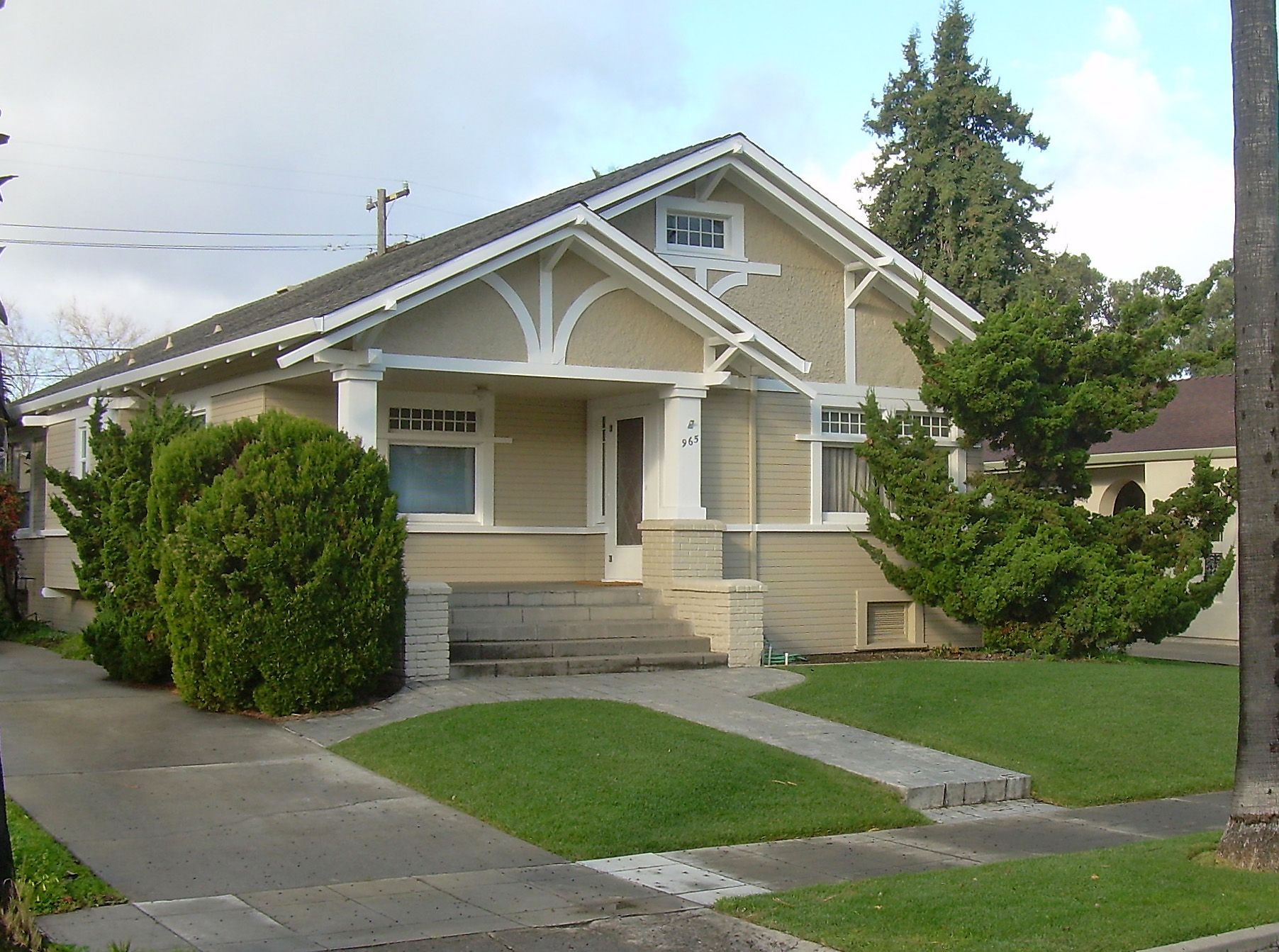
For most houses here, no. It turns entirely on which termite you have.
Fumigation answers a drywood infestation. UC IPM is explicit that it does not answer a subterranean one, along with heat, freezing and electrocution: the colony sits in the soil, out of reach of anything done to the structure. Given how much of the region’s tenting capacity is registered in this city, that line is worth holding onto here more than most places.
So the question to put to a bid is not whether the company can tent your house. It is which termite they found, and what they saw that told them. How to vet a pest control company for termite work walks the rest, including the difference between a pest control license and a termite license.
A visual and probing examination of the accessible parts of a structure to establish whether termites are present, what kind, and how far activity extends. What counts as accessible is narrower than most people assume.
A continuous zone of treated soil around and beneath a building, applied by trenching, rodding and drilling, so that subterranean termites die crossing it. The whole job turns on the word continuous.
The wood destroying insect inspection a lender or a purchase contract asks for, and the written report it produces. A licensed inspector walks the accessible parts of the property, records what was visible on the day, and issues the finding on the form your state or your lender prescribes. It is a transaction document. It is not a treatment, and it is not an assessment of the building.
Plastic stations sunk into the soil around a building, holding cellulose laced with an insect growth regulator and serviced on a schedule. They aim at the colony rather than the ground against the foundation.
Describe what you are seeing and I will point you at the right next step. It reaches one inbox, and no contractor is called.More about what happens to it.
