 Termite Registry
Drywood Termites
Incisitermes spp., Cryptotermes spp.
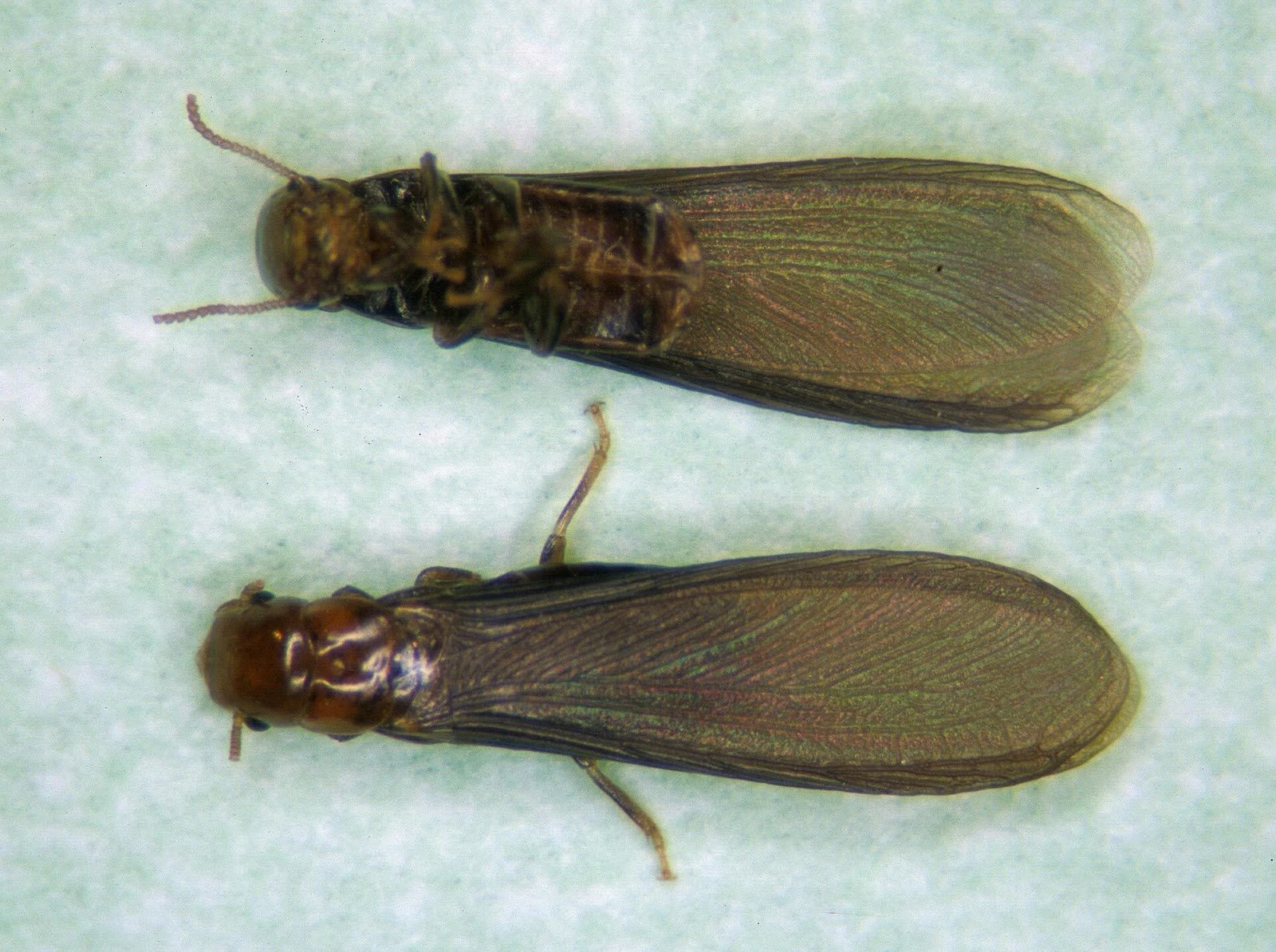

Drywood termites live and feed entirely inside dry, sound wood, and the thing they leave behind is a small pile of hard pellets. They need no contact with the soil and no outside water source. That single fact separates them from every other termite a US homeowner is likely to meet, and it changes how the problem is found and how it is treated.
If you swept up a little heap of what looked like sand or coarse sawdust and it came back, this is very likely what you have. It is worth being sure, because the treatments that work on subterranean termites do nothing here.
The pellets are the giveaway
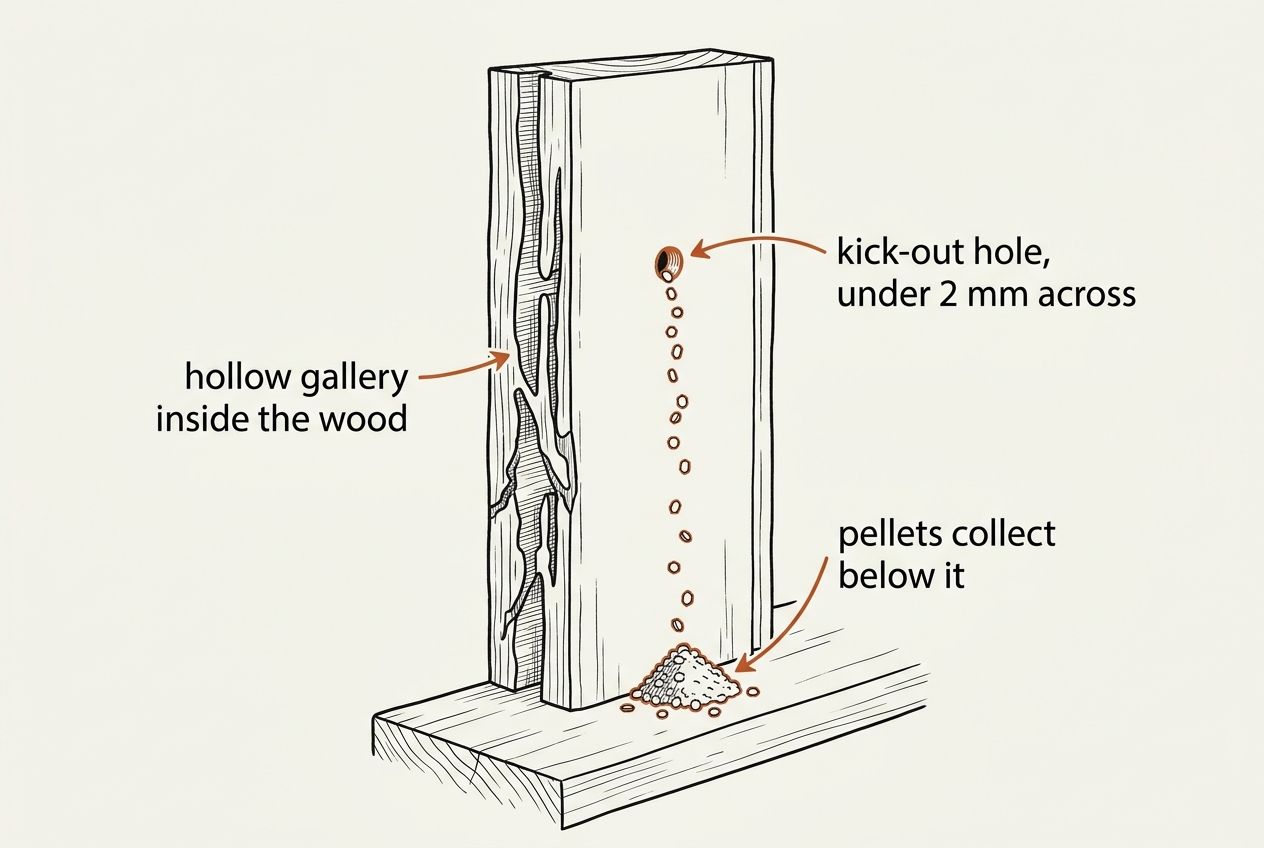
Drywood termites push their droppings out of the wood through tiny “kick-out” holes, and the droppings pile up below. UC IPM calls the pellets diagnostic, and the shape is the reason: they are six-sided. UF/IFAS puts it plainly — the pellets are hexagonal in cross section, and they come in cream, red, or black. The holes themselves are small, under about two millimetres across.
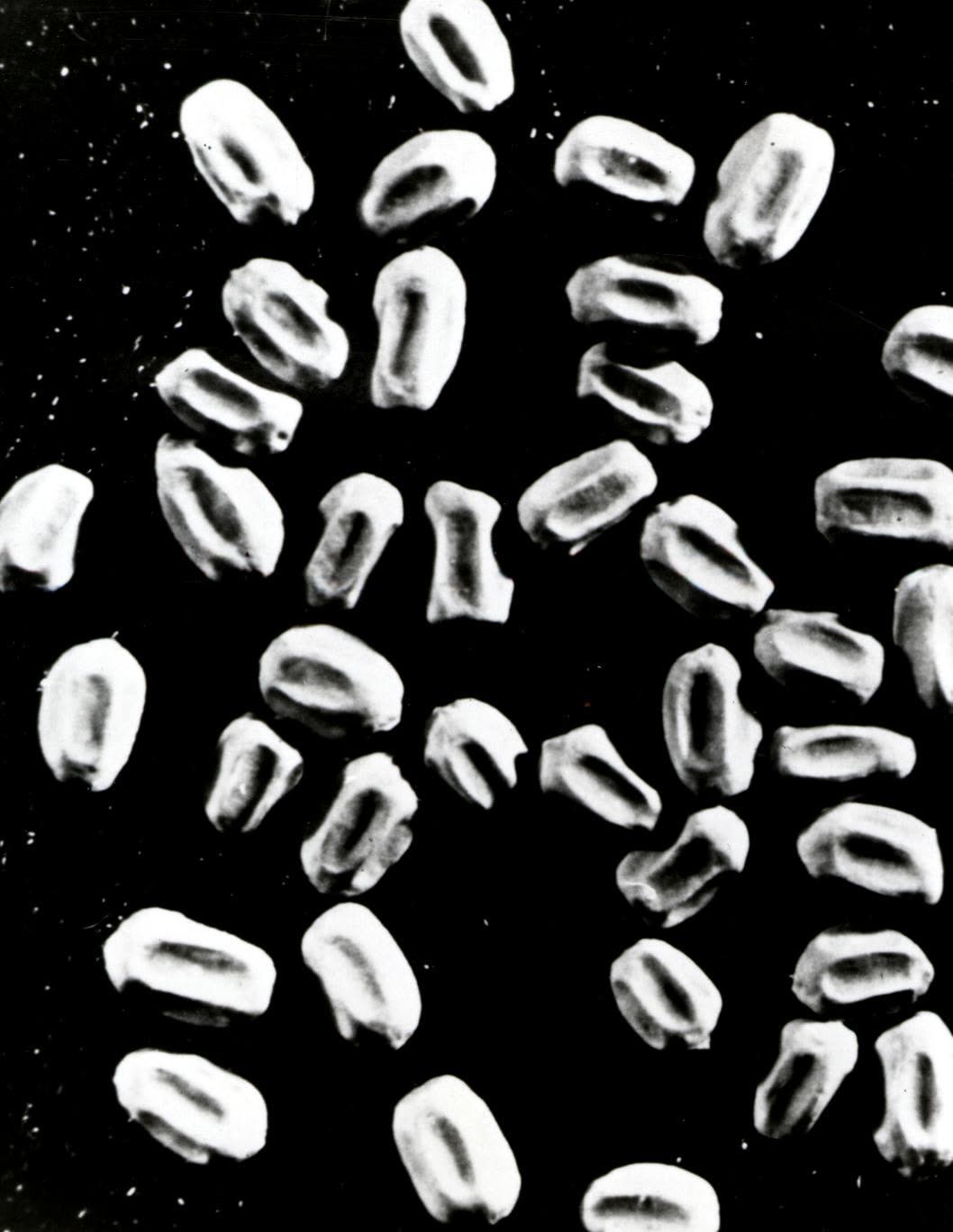

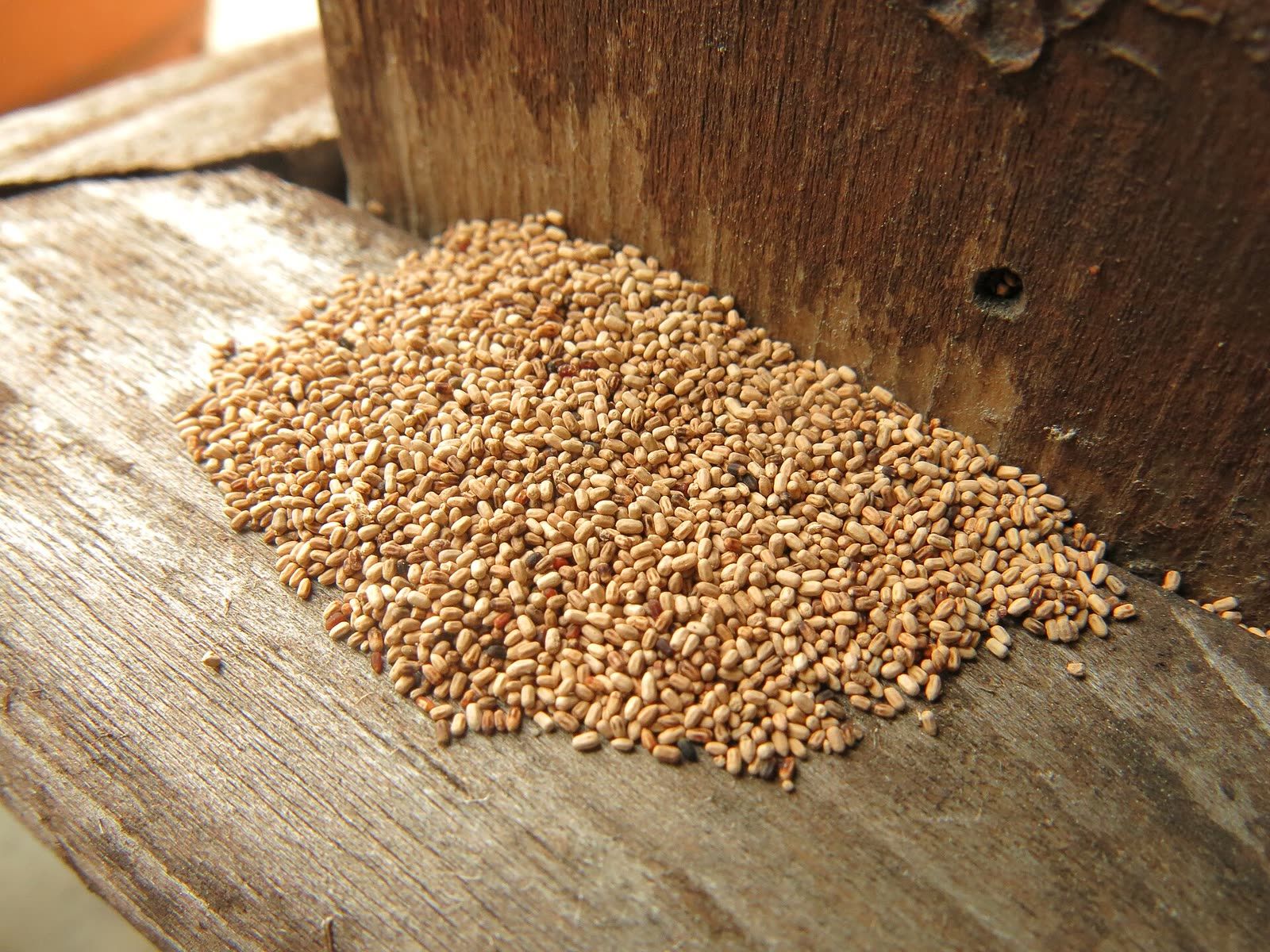
People almost always read the first pile as something else: sawdust, sand, coffee grounds, spilled dirt from a plant. The tell is that it reappears after you clear it, and that under a hand lens each grain is a hard, ridged, six-sided pellet rather than a soft flake. A powderpost beetle leaves a flour-fine dust instead, which is one of the more common mix-ups.
Where they turn up
Drywood termites want warmth, so in the US they are a coastal and southern concern. UC IPM places them along the Pacific coast and into California’s Central Valley and southern deserts. UF/IFAS reports the heaviest populations of the West Indian drywood termite in older buildings across the southern half of Florida, in cities such as Miami, St. Petersburg and Tampa. Hawaii, the Gulf, and the warm coastal Southeast round out the range. If you are in a cold-winter inland state, a pile of pellets is more likely powderpost beetle than drywood termite.

What they do to a house, and how fast
They eat galleries through the interior of the wood, leaving a thin shell and those pellet chambers behind. The pace is slow. UC IPM describes drywood colonies as small, usually fewer than 1,000 individuals, taking years to mature. A subterranean colony can run to hundreds of thousands; a drywood colony is a different order of thing.
That timescale is the reassuring part and it is true: a drywood infestation is measured in years, not weeks. It is also why they are so often missed for a long time — a slow, hidden colony in an attic rafter or a window frame gives very little away between swarms.
Why the treatment is completely different
Here is the practical consequence of the no-soil biology: a soil barrier or a bait station, the standard tools against subterranean termites, is aimed at a colony in the ground. A drywood colony is not in the ground. It is inside the timber. Treating the soil around a drywood infestation is a common and expensive mistake.
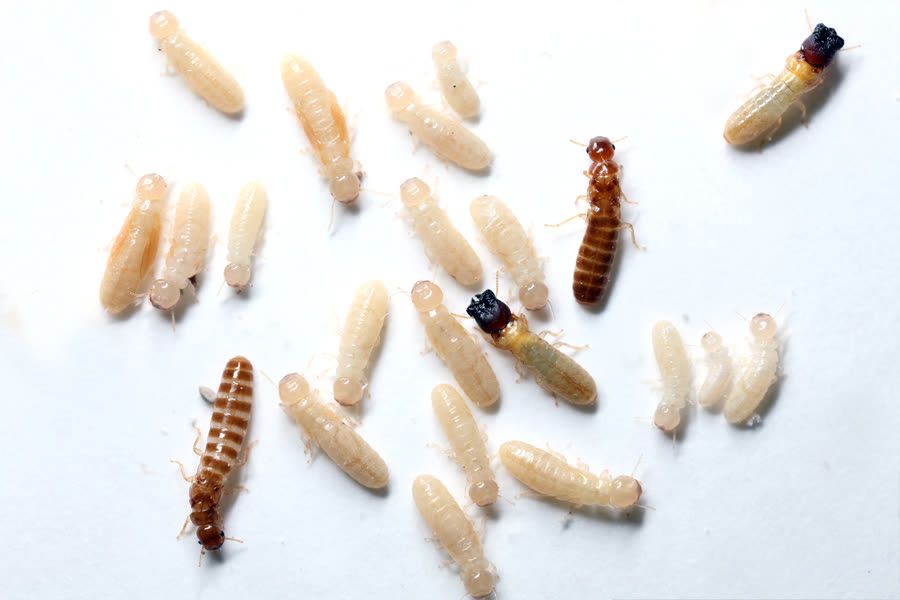

The real options are localized treatment of the infested wood, or whole-structure fumigation when the colonies are widespread or hidden. UC IPM’s honest caveat about the localized route is that “one can never be sure all infestations have been treated” with a spot job, because a colony you did not find is a colony you did not treat. Whether that risk is acceptable depends entirely on how contained the problem is, which is a judgement for an inspection, not a photo. There is more on the methods under termite treatment.
Keeping them out
Prevention is harder here than with subterranean termites, because there is no soil link to break and the swarmers arrive by air, but a few things genuinely help. Bare, weathered wood is easier for a new pair to start in than sealed or painted wood, so keeping exterior wood finished closes the easiest doors. Screening attic and foundation vents keeps swarmers from flying straight into the framing. And because furniture and secondhand wood can carry a colony indoors, an unexplained pile of pellets under an old dresser is worth a second look before it spreads.
What people get wrong
The costly error is assuming all termites are subterranean and paying for a soil treatment that was never going to touch a drywood colony. If the evidence is pellets and pinholes rather than mud tubes, the soil is not where the problem lives.
The second is confusing drywood pellets with powderpost beetle frass. Beetle dust is fine and powdery, like flour; drywood pellets are hard, granular and six-sided. They point to different insects and different treatments, so it is worth getting the identification right. If what you actually have is mud tubes and no pellets, you are looking at subterranean termites instead, and everything about the treatment changes.
Sources
- Drywood Termites (Pest Notes 7440) — UC Statewide IPM Program, updated August 2014. Accessed 2026-08-02.
- West Indian Drywood Termite, Cryptotermes brevis (EENY-079) — University of Florida IFAS Extension, Featured Creatures. Accessed 2026-08-02.
- Termites: How to Identify and Control Them — US Environmental Protection Agency, last updated 2025-10-21. Accessed 2026-08-02.
Signs to look for
- Small piles of hard, sand-like pellets on floors, sills or under furniture
- Tiny round holes in trim, siding, furniture or door frames
- Pellets that reappear a day or two after you sweep them up
- Swarmers indoors during warm weather, active in daylight
Common questions
Do drywood termites need moisture or soil like other termites?
No, and that is the whole point of them. UC IPM notes they nest in wood and do not require soil contact, taking the water they need from the wood itself. That is why they turn up in attic rafters, furniture, window frames and picture frames with no ground connection at all, and why a soil treatment does nothing to them.
Is fumigation always necessary for drywood termites?
No. When an infestation is small, confined and reachable, a localized treatment of the affected wood can work. Whole-structure fumigation is used when the colonies are widespread or hidden. UC IPM's caution is that with spot treatment you can never be certain every pocket was found, so the decision turns on how contained the problem actually is — which is what an inspection is for.