 Termite Registry
identification
Subterranean vs Drywood Termites: Which You Have
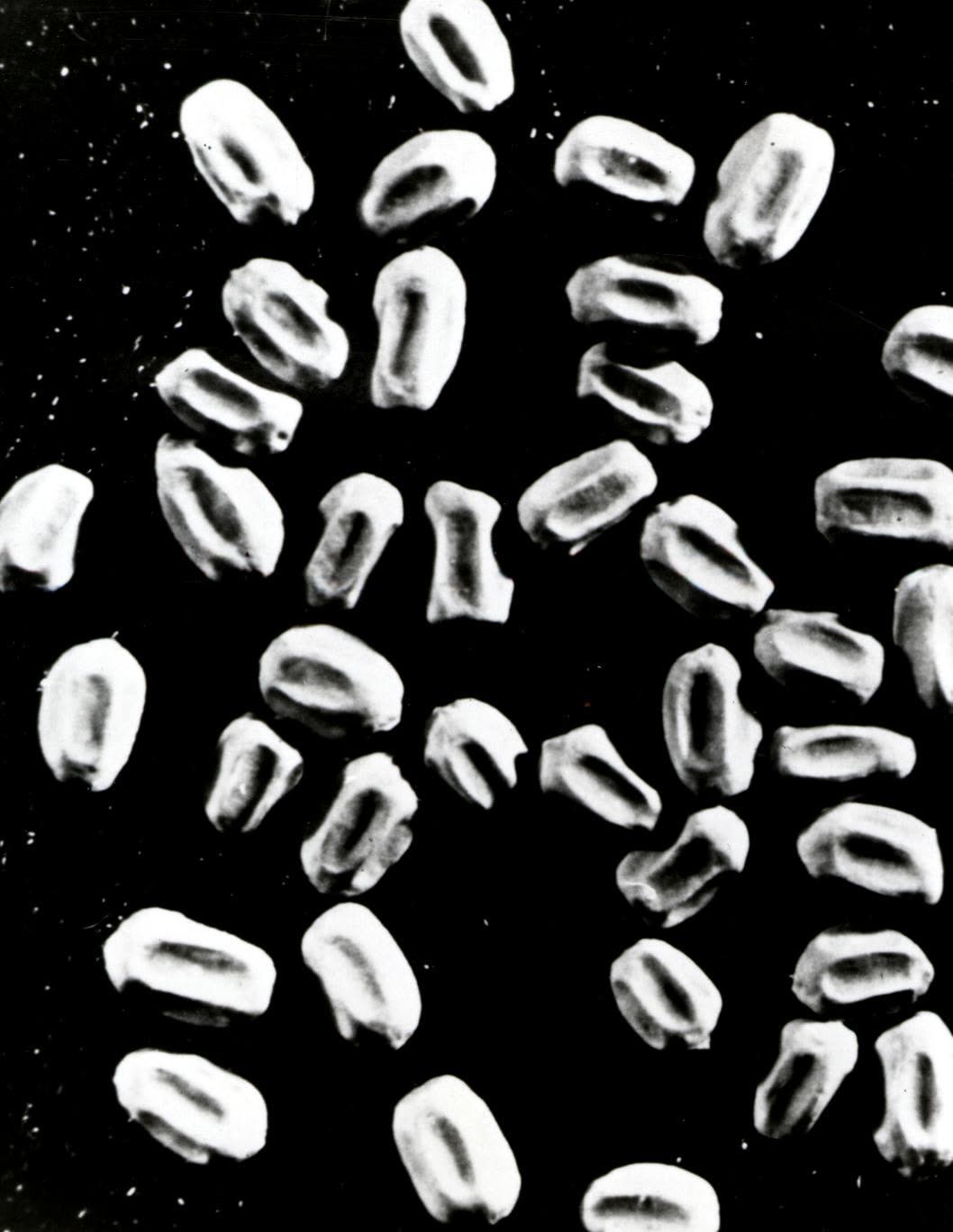

Subterranean termites nest in the soil and reach your wood through mud tubes; drywood termites live entirely inside dry wood and touch no soil at all. Which of the two you have decides the treatment and the size of the bill, and one question usually settles it. The rest of this page is how to answer that question from what you can see.
Who this is for
You already know, or a report already told you, that you have termites, and now you need the group before anyone quotes you. If you are not yet sure it is termites at all, the termite types index and the termite scan tool will get you to an identification first. Come back here once it is narrowed to these two.
The difference is soil contact
Do the termites keep a connection to the soil? That single fact separates the two groups, and everything else follows from it.
Subterranean termites need moisture and get it from the ground. UC IPM’s Pest Notes on subterranean termites puts it plainly: they “usually nest in or near the soil and maintain some connection with the soil through tunnels in wood or through shelter tubes.” Break that link and you have gone a long way toward controlling them.
Drywood termites do the opposite. According to UF/IFAS extension, the drywood “colony lives entirely within wood,” and “despite this lack of contact with soil,” the termites pull the water they need out of the wood itself and from their own metabolism. No soil, no tube, no ground connection anywhere. That is why they turn up in an attic rafter or a piece of furniture with nothing touching the earth.
Mud tubes and pellet piles
A mud tube points to subterranean; a pile of hard six-sided pellets points to drywood. Those are the two things a homeowner spots, and they rarely appear together.
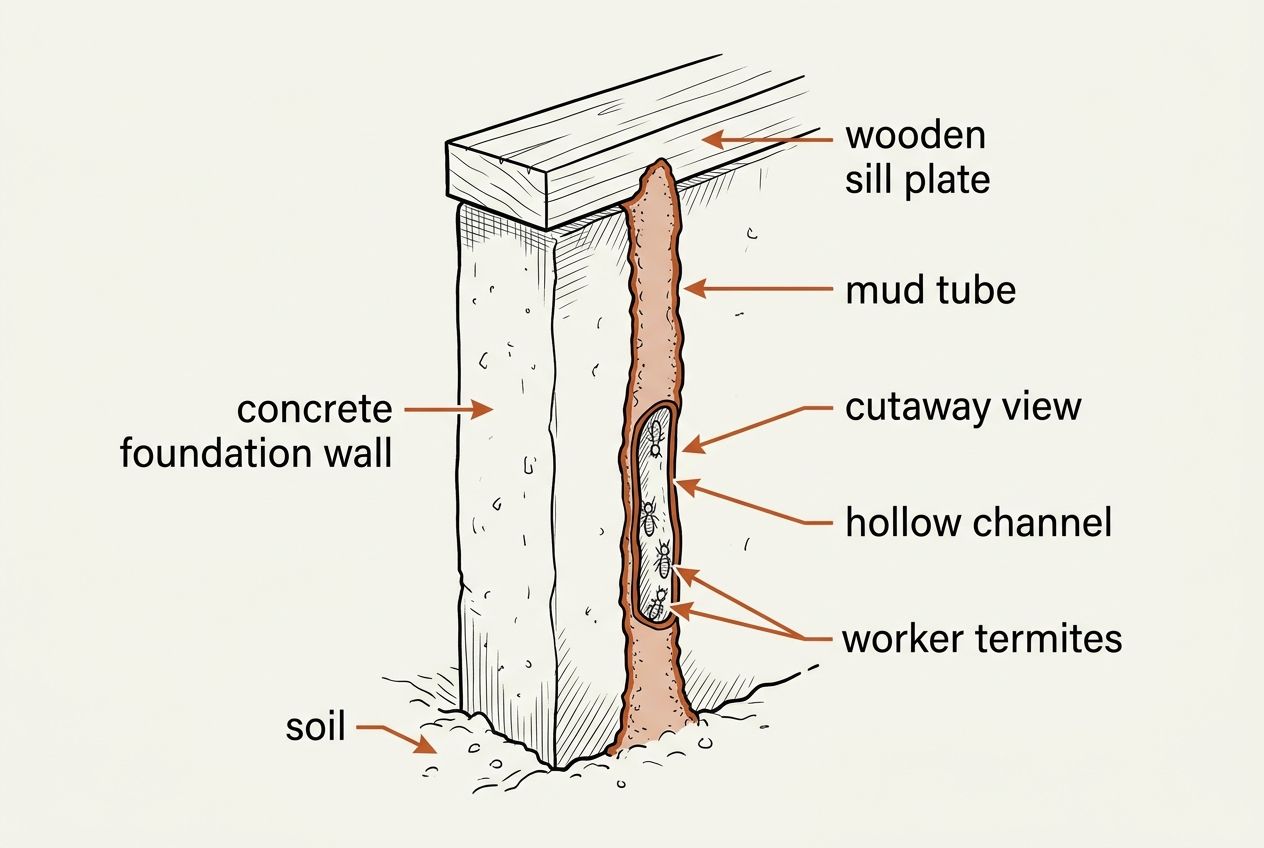
A mud tube is a covered runway about the width of a pencil, running up a foundation wall, a crawlspace pier, or anywhere wood meets soil. UC IPM describes these earthen tubes as built “using saliva mixed with soil and bits of wood.” UF/IFAS calls them “the equivalent of highways connecting the underground termite population with aboveground food sources.” If you see one, the colony is living in the ground and commuting up.

Drywood termites leave no tubes. Instead they push their droppings out through tiny “kick-out” holes, which UC IPM measures at less than 2 millimeters across, and the droppings collect in small piles below. The pellets are the tell: UC IPM says they “have six hexagonal sides and are diagnostic for drywood termites,” in colors from cream to red to black. People read the first pile as sand or sawdust. The giveaway is that it comes back a day after you sweep it up, and that each grain is a hard, ridged, six-sided pellet under a lens.
Which you have, side by side
| Subterranean | Drywood | |
|---|---|---|
| Soil contact | Nests in the soil; keeps a link to the ground | None; lives entirely inside the wood |
| The sign you’ll see | Pencil-width mud tubes on foundations, piers, crawlspace framing | Small piles of hard six-sided pellets below pinhole kick-out holes |
| US range | Every continental state except Alaska (UF/IFAS) | Warm coastal and southern: FL, HI, Gulf, CA, Southwest |
| How it’s treated | Soil-targeted: liquid barrier or bait | Wood-targeted: whole-structure fumigation or localized treatment |
If it’s subterranean termites
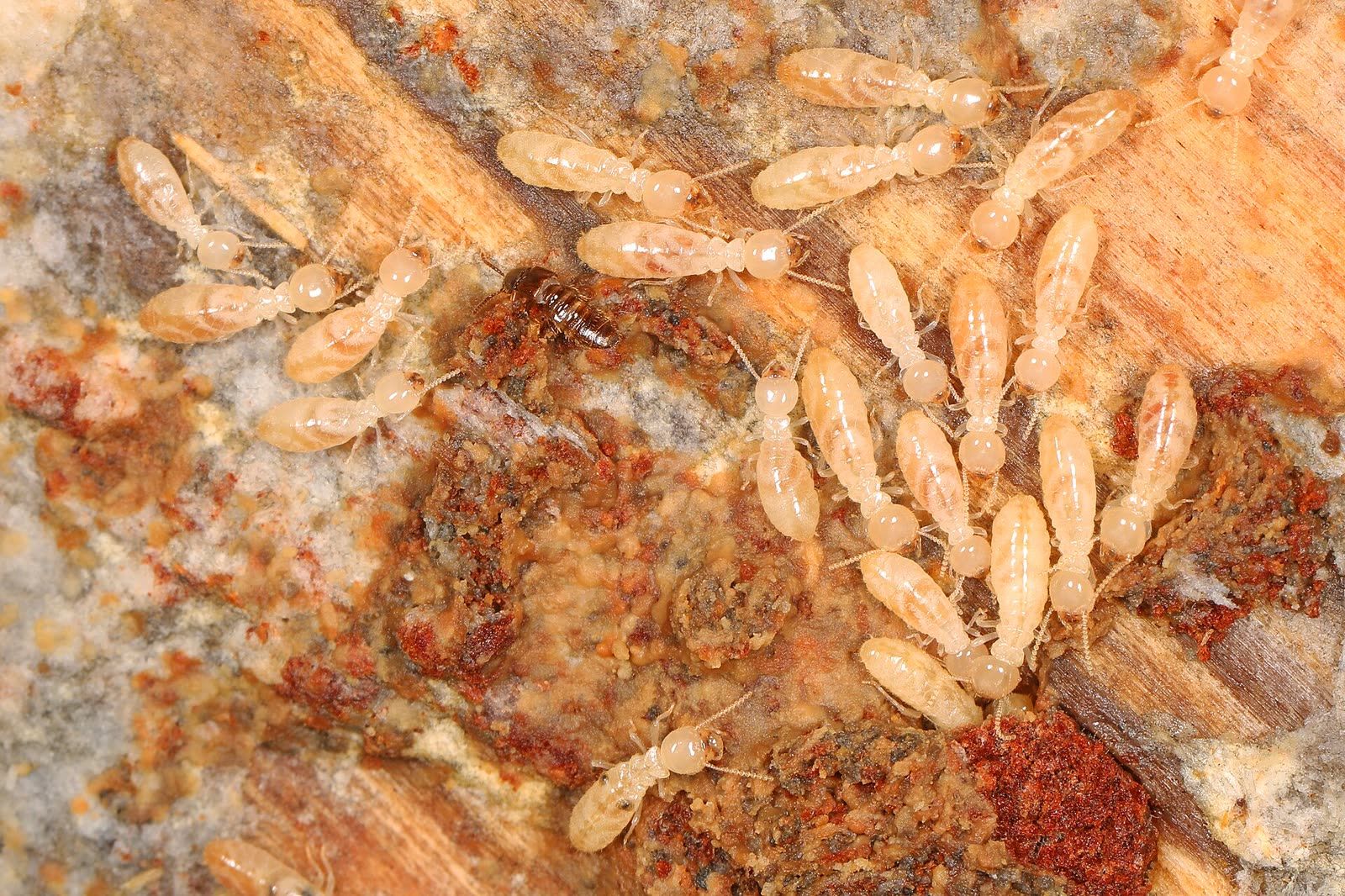
Subterranean termites are the ones behind the mud tubes, and they are by far the more common group. UF/IFAS reports that the native genus, Reticulitermes, is “found in every state in the continental United States except Alaska,” so almost anywhere in the country a mud tube is the likeliest finding. Their colonies are large, running to hundreds of thousands of workers hidden in the soil and the wood.
The pace is slow. Kentucky’s extension service states it about as flatly as anyone will: “the amount of damage caused by taking an additional day, week, or month to make an informed decision generally is inconsequential.” You have time to identify, to get quotes, and to read what you sign.
Because the colony lives in the ground, the treatment goes into the ground. UC IPM describes the two standard tools as liquid termiticide “applied to the soil either in drenches or by injection,” and bait stations that foragers “consume during feeding” and share through the colony. One subterranean subtype, the Formosan termite, builds colonies into the millions and forages over long distances, which makes a partial job far more likely to miss; if your swarm was a heavy evening flight on the Gulf, read Formosan termites before assuming it is the native kind.
See mud tubes, and you are almost certainly looking at subterranean termites, treated by breaking the colony’s link to the soil. There is more on how those methods compare under termite treatment.
If it’s drywood termites
Drywood termites live and feed inside dry, sound wood with no ground connection, and the pellets are what give them away. They are a warm-climate concern. UF/IFAS places the heaviest US populations “in the southern half of Florida,” along with Hawaii and the southeastern Gulf Coast, and UC IPM records them across California and into the southern deserts. In a cold northern state, pellets are more likely a powderpost beetle than a drywood termite.
Their colonies are small and slow. UC IPM describes them as “usually fewer than 1,000 individuals” that “take years to mature.” A subterranean colony is a different order of size entirely. That slowness is the reassuring part, and it is real: a drywood infestation is measured in years, which is also why it can sit undetected in a rafter between swarms.
The treatment targets the wood, not the soil, because there is no soil to target. UC IPM lays out two routes: whole-structure fumigation, which treats “all infestations, accessible and inaccessible,” at once, and localized or spot treatment “applied to a single board or small group of boards.” Which one fits depends on how contained the problem is, and that is a judgment for an inspection rather than a photo.
Pellets and pinholes with no tubes mean drywood, and a soil treatment will not touch it.
Why getting this right decides the money
Identify before you treat, because the wrong treatment is money set on fire. A liquid barrier or a bait system is aimed at a colony in the ground. A drywood colony is not in the ground; it is inside the timber, sometimes in an attic with no soil anywhere near it. Treating the soil around a drywood infestation is the common and expensive mistake, and it is expensive precisely because the work is done correctly and still hits nothing.
The comfort here is that both groups work slowly, so the pressure to identify comes from the wallet, not the clock. You are not racing the colony. You are making sure the several thousand dollars a treatment costs goes at the group you actually have.
Here’s how I’d tell which I have
Here’s what I’d do first: I’d start at the foundation and the soil line, because that is where the answer usually is. A pencil-width mud tube on a pier or a foundation wall, and I would treat it as subterranean until an inspection said otherwise. A small pile of hard, six-sided pellets under a pinhole in trim or a rafter, with no tube anywhere, and I would treat it as drywood.
If I found neither and only a scatter of shed wings, I would collect a few in a bag, photograph them on something white, and let an inspection place them rather than guess from the wing pile.
The one thing I would not do is pay for a treatment before the group is settled. It is the difference between a soil job and a wood job, and getting it backward buys you nothing. When the sign is clear, subterranean termites and drywood termites each have a fuller page; Formosan termites covers the aggressive subterranean case; and termite treatment walks through what each group’s fix actually involves.
Sources
- Subterranean and Other Termites (Pest Notes 7415) — UC Statewide IPM Program, updated May 2014. Accessed 2026-08-02.
- Drywood Termites (Pest Notes 7440) — UC Statewide IPM Program, updated August 2014. Accessed 2026-08-02.
- Native Subterranean Termites: Reticulitermes flavipes, R. virginicus, R. hageni (EENY-212) — University of Florida IFAS Extension, Featured Creatures. Accessed 2026-08-02.
- West Indian Drywood Termite, Cryptotermes brevis (EENY-079) — University of Florida IFAS Extension, Featured Creatures. Accessed 2026-08-02.
- Termite Control: Answers for Homeowners (ENTFACT-604) — Michael F. Potter, University of Kentucky Entomology, revised 2026. Accessed 2026-08-02.
Common questions
I found both mud tubes and pellets. Can a house have both kinds?
Yes, and in warm coastal states it is not rare. A subterranean colony coming up from the soil and a drywood colony sitting in an attic rafter are two separate problems with two separate treatments. If you have evidence of both, neither cancels the other out. Each gets handled on its own terms, and a soil job does nothing for the drywood side.
Can I have drywood termites if I don't live near the coast?
It is much less likely. Drywood termites want warmth, so in the US they concentrate in Florida, Hawaii, the Gulf, California, and the Southwest. In a cold-winter inland state, a small pile of pellets is more often powderpost beetle dust, which is fine and powdery rather than hard and six-sided. The shape under a hand lens tells you which.
If both kinds work slowly, why not just wait and watch?
Slow buys you time to identify the group and get more than one quote. It does not make the colony harmless. A drywood colony takes years to mature and a subterranean colony works quietly out of sight, so nothing forces a decision tonight. What waiting cannot do is turn one group into the other, which is the thing that actually changes the bill.
- identification
- subterranean
- drywood
- mud tubes
Related reading
identification
Carpenter Ants vs. Termites: Telling Them Apart
Termites are insects that eat wood for the cellulose in it; carpenter ants are large ants that do not eat wood at all, but tunnel into it to make a nest and dump the shavings back out.